Presentation Title

Author

How is writing different from speaking?

Language in the World

Recall

  • Language acquisition is the process by which humans acquire the ability to use, produce, and perceive language!
    • First Language Acquisition: how an infant acquires his/her first or native language
    • Second Language Acquisition: how children and adults acquire additional languages beyond the first
  • Learning vs. acquiring
  • Critical period – need to acquire early!
    • Interlanguage = stages on the way to acquiring fluency
    • Fossilization = hitting the wall of acquisition
  • All languages are equally challenging; difficulty is relative

Modes of linguistic communication

Speech

Signing

  • Pros:
    • Provides similar range as speaking for people who physically cannot speak
  • Cons:
    • Requires use of hands
    • Must be viewed
    • Evaporates/cannot span time without the assistance of modern technology

Writing

  • Pros:
    • Pictographs (we’ll later say this is NOT writing) can be understood across languages
    • Can be read/understood more quickly than speaking can be heard/understood
    • Endures and has great reach
  • Cons:
    • Takes longer to produce than speech
    • Requires use of hands
    • Must be viewed

What is writing?

Writing allows humans to transmit information to others not within hearing distance, both spatially and temporally

Epic of Gilgamesh

Writing is the representation of language with the use of visual signs
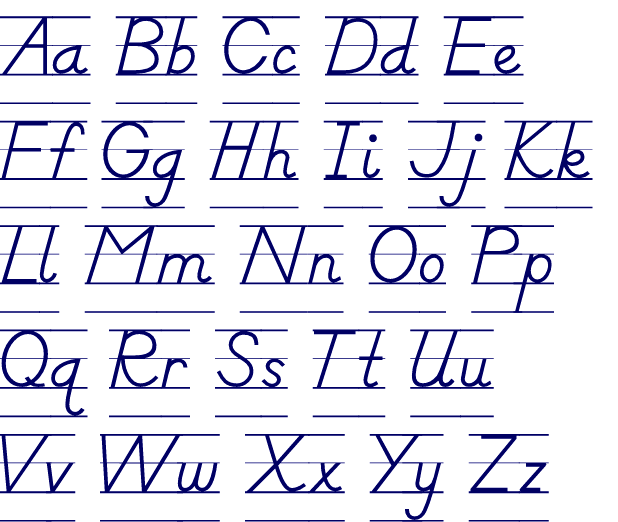
English Alphabet

< Linguistics is awesome. >

  • The primary goal of writing is to make our utterances, which are by default audible, visible

Q slide

Is it learned or acquired? Learned

Every writing system must represent language

Represents the morpheme pr ‘house’ & the syllable /pr/ in Egyptian

It’s iconic because the symbol looks like what it represents!

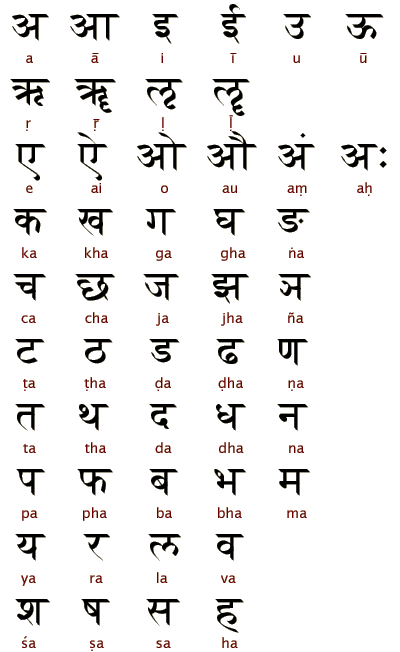
Represents the phonemes of Old Gaelic

It’s symbolic because there is no connection between the thing drawn and what it means

Interactive

  • Is the English alphabet iconic or symbolic ?
    • Symbolic

The Cheyenne Indian Letter

  • 19th c. message from Turtle-Following-His-Wife to his son, Little Man
    • Says something like: “Dad (TFHW) says to return home, enclosed is $53 for the cost of the trip”
    • Is this “writing”? Why or why not?

Pictographs ≠ writing!

  • The Cheyenne letter is an instance of pictographs
    • = picture writing
      • pictorial representation of objects, ideas and events
    • Signs represent an event or an idea and not direct language
      • i.e., words, morphemes, phonemes, etc.
    • Independent of a word or utterance, which refers to that object, idea, or event

Speech vs. writing

  • Speech is continuous; writing is discrete

  • Speech is bound to utterance time; writing is not
  • Speech is temporary; writing is permanent
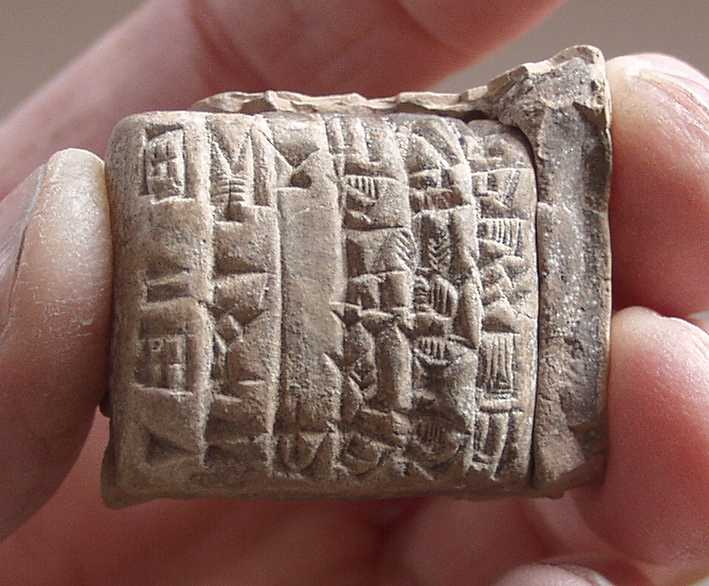
Tablet from Nippur, 2000 bce

  • Speech is audible; writing is visible
  • Speech is produced by voice; writing is produced by hand
  • Diachrony, not synchrony, tends to be represented.

7. Language is universal; writing is not

Types of writing systems

Media

https://www.youtube.com/watch?v=-sUUWyo4RZQ

Q slide

True or false: an abjad is mostly consonants, and vowels are generally left unwritten. True

What’s next?

  • Come on Monday for “🤷” and read ch. 5 in your book
  • Quiz 8 in recitation on Friday
  • Observation notes #5 due Friday, March 29 at 11:59pm
    • No late work, no AI